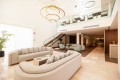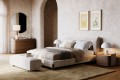
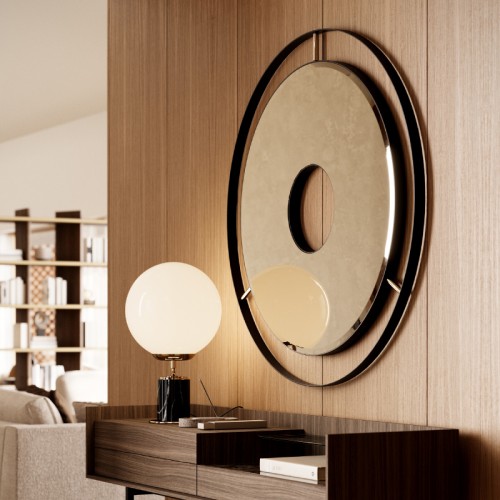

Marble has long been seen as a timeless material in interior design projects �synonymous with luxury, sophistication, and value. For interior designers and architects, incorporating marble into a project is more than a stylistic choice; it�s a strategic decision that elevates the perception of quality and craftsmanship within a space. From statement furniture pieces to architectural elements and subtle accents, marble brings texture, depth, and a refined aesthetic that few other materials can match. In high-end residential and commercial environments, its presence proves attention to detail and a commitment to excellence.
In this article, we share five expert tips to help you integrate marble effectively and thoughtfully into your designs�balancing visual impact with functionality and longevity.
1. Accent with Elegance: Marble in Supporting Elements
Incorporating marble through supporting elements such as coffee tables, side tables, or TV cabinets is a smart and strategic way to introduce the material�s luxurious character without overwhelming the overall design. These accent pieces offer just the right amount of visual impact, allowing marble to shine as a refined detail rather than a dominant feature. Whether you're aiming for a classic or contemporary look, using marble in these secondary elements adds texture, sophistication, and a premium feel�elevating the space while maintaining balance and versatility across the project.
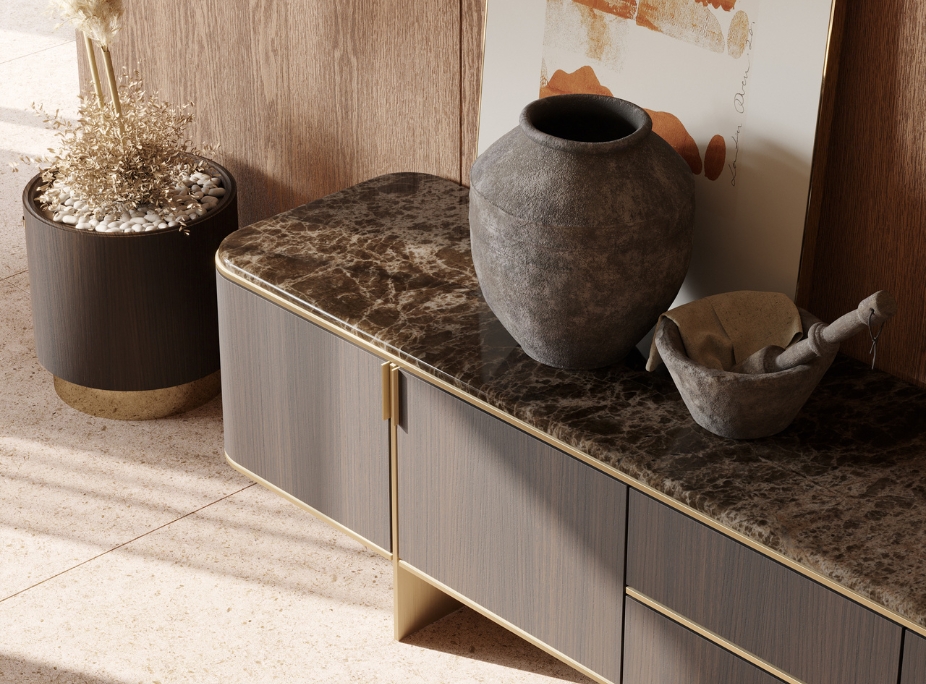
Some of Laskasas most-wanted secondary pieces with marble:
- Norman TV Cabinet: a refined retro TV cabinet that infuses living areas with a touch of 50s-inspired elegance.
- Lyssa Coffee Table: a modern round coffee table that brings together elements of both classic appeal and glamour.
- Nilo Side Table: a rectangular side table that stands out for its solid marble or wood veneer top, complemented by a wooden interior.
2. Lighting Luxury: Marble as a Luminous Accent
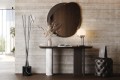
Marble isn�t just for surfaces and furniture�it also brings a sense of sculptural elegance to lighting design. Choosing lighting fixtures such as wall lamps or floor lamps that incorporate marble allows you to highlight the material�s natural beauty in a subtle yet striking way. The contrast between the softness of light and the solidity of stone creates a unique visual interplay, transforming functional pieces into luminous accents. For designers and architects aiming to add a refined layer to a space, marble lighting offers the perfect balance of form, function, and sophistication.
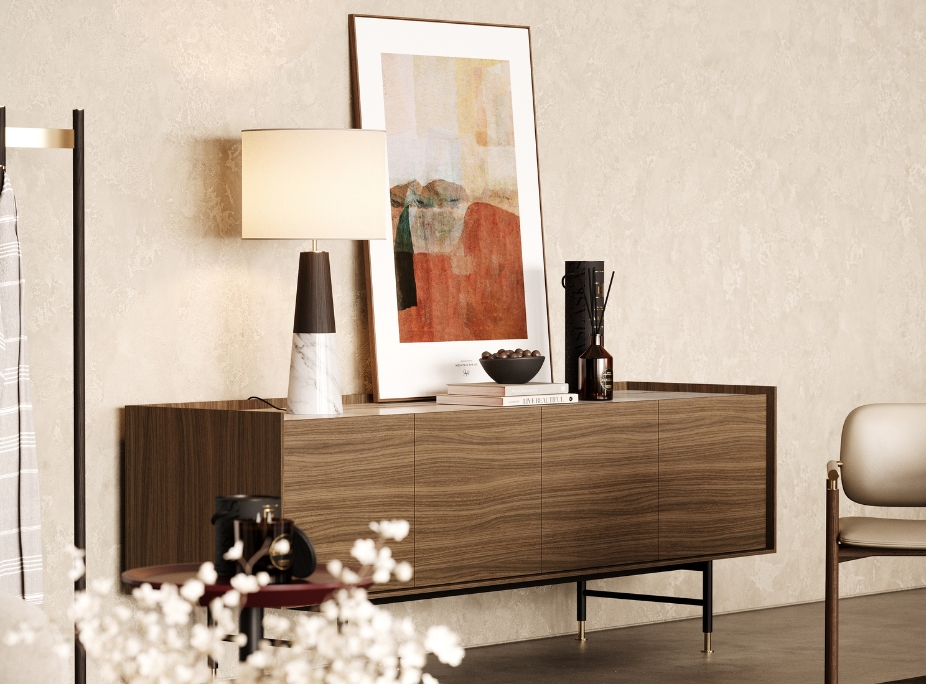
Lighting fixtures that feature marble:
- DaveWall Lamp: a modern wall sconce that combines marble and metal in a minimalist design.
- Little Jack Table Lamp: a small table lamp with a compact design that combines charm and functionality.
- Evans Floor Lamp: a minimalist floor lamp that complements contemporary living rooms, bedrooms or hallways.
3. Make a Statement: Marble in Dining Tables
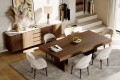
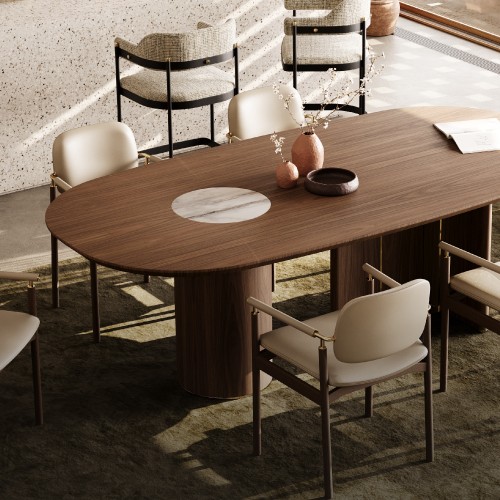
Few elements command attention in a space like a marble dining table. As a primary furniture piece, it acts as both a functional feature and a bold design statement, instantly elevating the room with its natural elegance and distinctive veining. Choosing marble for a dining table is a powerful way to highlight craftsmanship and material quality, setting a refined tone for the entire interior. Whether paired with minimalist lines or more sculptural bases, a marble tabletop offers timeless sophistication�making it an ideal choice for high-end residential or hospitality projects that aim to impress.
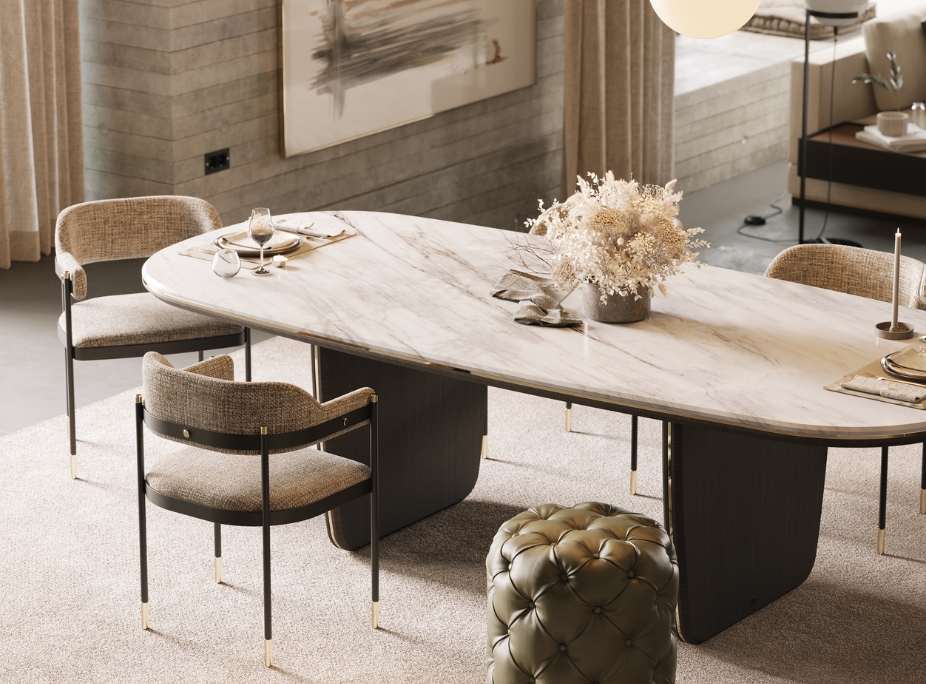
Some of Laskasas dining table with marble tops:
- Jeane Dining Table: perfect for interior designers seeking to elevate the atmosphere with a touch of contemporary flair.
� Ponza Dining Table: a perfect modern addition to your living room, as it adds an edge of style and elegance to any space.
- Marilyn Dining Table: a captivating round dining table with a lazy Susan, designed to be the centrepiece of any high-end dining room.
4. Built-In Beauty: Marble in Architectural Features
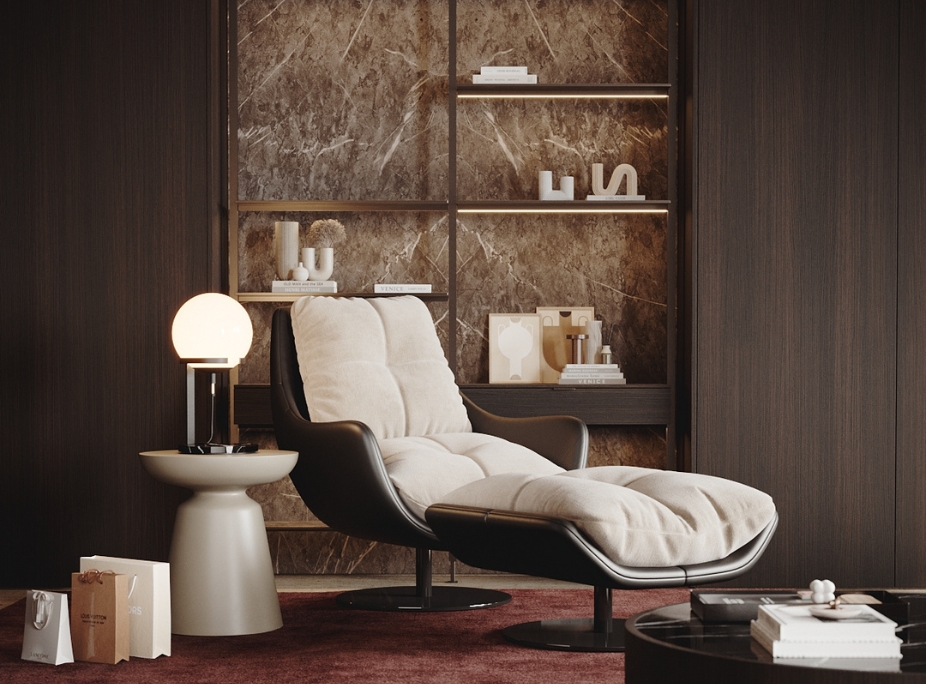
Incorporating marble into architectural features is one of the most impactful ways to infuse a space with lasting elegance. From fireplace surrounds and wall cladding to flooring and integrated shelving, marble used in built-in elements becomes a defining part of the environment�s character. These applications go beyond decorative accents�marble becomes part of the structure, adding both visual and material weight to the design. For interior designers and architects, choosing marble for architectural features is a powerful solution that communicates luxury, and meticulous attention to detail.
5. Sculpted Elegance: Marble in Decorative Accessories
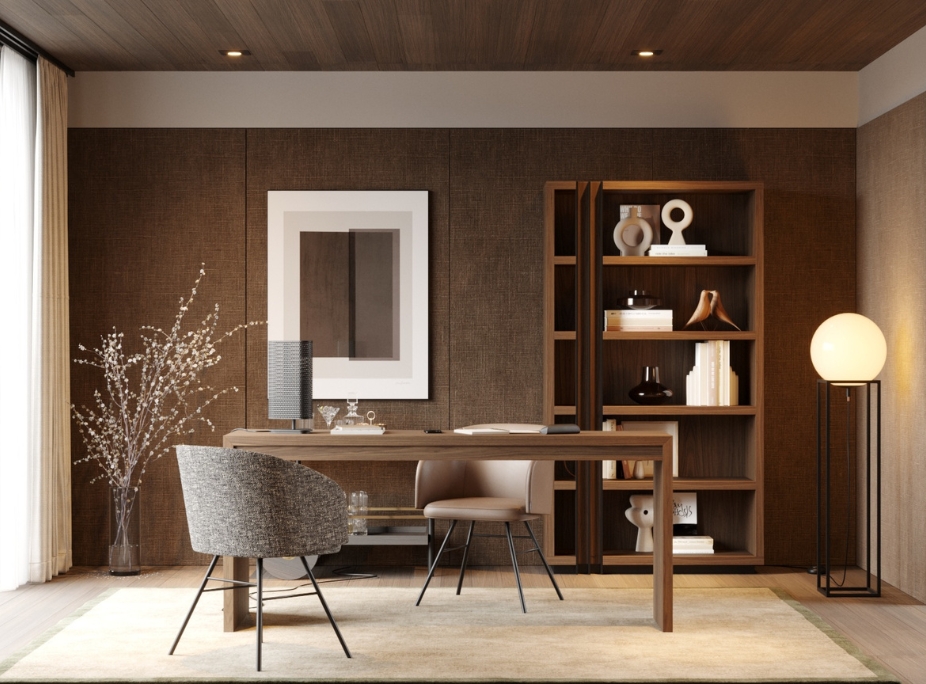
Incorporating marble into smaller accessories and design details is a brilliant way to add sophistication without overpowering a space. Items like marble vases, trays, sculptures, and even drawer pulls can seamlessly complement other materials while introducing the timeless elegance of marble. These subtle accents offer a refined, cohesive look that ties together different elements of a room. By choosing marble for these decorative touches, designers can create a sense of luxury and continuity throughout the space, ensuring that every detail, no matter how small, contributes to the overall aesthetic.